Navigating IRS Form 990: Best Practices and Risk Mitigation
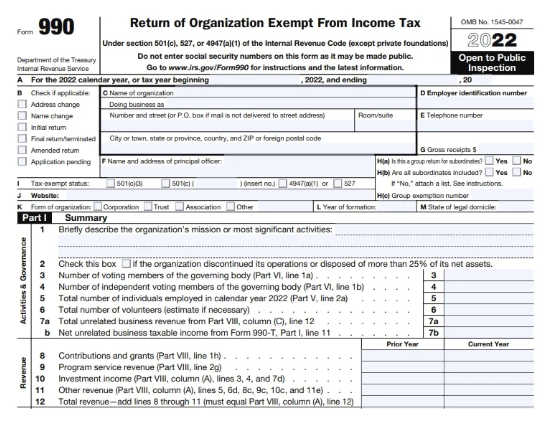
Filing the IRS Form 990 is a crucial responsibility for nonprofit organizations, as it provides transparency and accountability to donors, stakeholders and the public. However, navigating through the complexities of Form 990 preparation can be challenging. In this thought leadership article, I will explore the best practices to streamline the process and highlight potential risks that nonprofits should avoid to ensure compliance and maintain their reputation.
Start Early and Stay Organized: Begin the preparation process well in advance of the filing deadline. Gather all relevant financial records, such as income and expense statements, balance sheets, and fundraising documents. Establish a systematic approach by creating a checklist and organizing data in a structured manner. Maintaining a centralized repository for supporting documents will save time and ensure accuracy during the Form 990 completion.
Understand the Form and its Sections: Form 990 consists of various sections, each serving a specific purpose. Take the time to familiarize yourself with the form's structure and requirements. By understanding the purpose of each section, you can provide accurate and comprehensive information. Common sections include mission statement, program descriptions, governance and management, financial statements, compensation and public support.
Maintain Clear Financial Reporting: Accurate financial reporting is essential for a nonprofit's credibility. Ensure that all financial statements and schedules are prepared in accordance with the Generally Accepted Accounting Principles (GAAP). Consistent and transparent reporting of revenue sources, expenses, assets and liabilities will demonstrate good financial stewardship.
Emphasize Governance and Compliance: Form 990 scrutinizes an organization's governance structure, policies and compliance practices. Provide detailed information about the board of directors, including their roles, responsibilities and any potential conflicts of interest. Highlight internal controls, whistleblower policies and adherence to ethical standards. Demonstrating strong governance practices will enhance credibility and build trust with stakeholders.
Accurately Report Compensation: One area that attracts significant attention is the reporting of executive compensation. Ensure that compensation figures are reported accurately, including salaries, benefits, bonuses and other forms of compensation. Be mindful of the potential scrutiny and the need to justify compensation packages that may be considered excessive.
Disclose Related Party Transactions: Transparent reporting of related party transactions is critical. Provide details of any transactions between the organization and its officers, directors, key employees, or their family members. Properly document and disclose these transactions to avoid any perception of conflicts of interest or impropriety.
Review for Accuracy and Completeness: Before submitting Form 990, conduct a thorough review of all information provided. Check for any inconsistencies, errors, or missing data. Accuracy and completeness are crucial for maintaining compliance and credibility.
Risks to Avoid: While navigating the Form 990 process, nonprofits must also be aware of potential risks and pitfalls. Here are a few risks to avoid:
Inadequate Record-Keeping: Poor record-keeping can lead to incomplete or inaccurate reporting, putting your nonprofit at risk of noncompliance and potential penalties. Maintain detailed and well-organized records to support the information reported on Form 990.
Late Filing or Non-Filing: Missing the filing deadline or failing to file altogether can have serious consequences. Late penalties and loss of tax-exempt status are possible outcomes. Stay informed about the filing deadline and establish internal procedures to ensure timely submission.
Inconsistent Reporting: Providing inconsistent or contradictory information across different sections of Form 990 can raise red flags and invite scrutiny. Maintain consistency and coherence throughout the form to avoid any misinterpretation.
Non-Disclosure of Material Information: Failure to disclose material information or relevant transactions can erode trust and lead to allegations of impropriety. Be transparent and disclose all necessary details to present a complete and accurate picture of your nonprofit's activities.
Navigating the complexities of IRS Form 990 preparation requires careful attention to detail, adherence to best practices and a proactive approach to risk mitigation. By implementing these best practices and avoiding common pitfalls, nonprofits can effectively meet compliance requirements, safeguard their reputation and reinforce trust with stakeholders. Proactive preparation, accurate reporting and a commitment to transparency will ensure that your nonprofit remains compliant and aligned with its mission.
Reach out if your team needs help preparing your organization's Form 990, happy to help!